8 Disturbing Findings on the Global Math Gender Gap
For years, the story of girls in mathematics was one of steady progress—a slow but hopeful narrowing of the gender gap. But a major new report from the Trends in International Mathematics and Science Study (TIMSS), released in late 2023, paints a far more troubling picture. After the disruptions of the COVID-19 pandemic, the hard-won gains in math equity have largely evaporated. The data, analyzed in partnership with UNESCO, reveals that fourth- and eighth-grade girls are now falling significantly behind their male peers in a majority of countries and territories. From basic proficiency to top-tier achievement, the numbers show a clear and widespread reversal. Here are eight key findings from the report that every educator, parent, and policymaker needs to understand.
1. The Big Picture: Girls' Math Gains Have Reversed
The overarching story of the 2023 TIMSS data is that a decade-long trend of girls catching up to boys in mathematics has abruptly stalled—and in many cases, gone into reverse. Before the pandemic, international assessments showed that the gender gap in math achievement was shrinking steadily. Now, according to Matthias Eck, a program specialist at UNESCO’s Section of Education for Inclusion and Gender Equality, “the gap is widening again between girls and boys, and that's at the detriment of girls, which is quite concerning.” This reversal is not limited to a few regions; it appears across both developed and developing nations, making it a truly global concern.
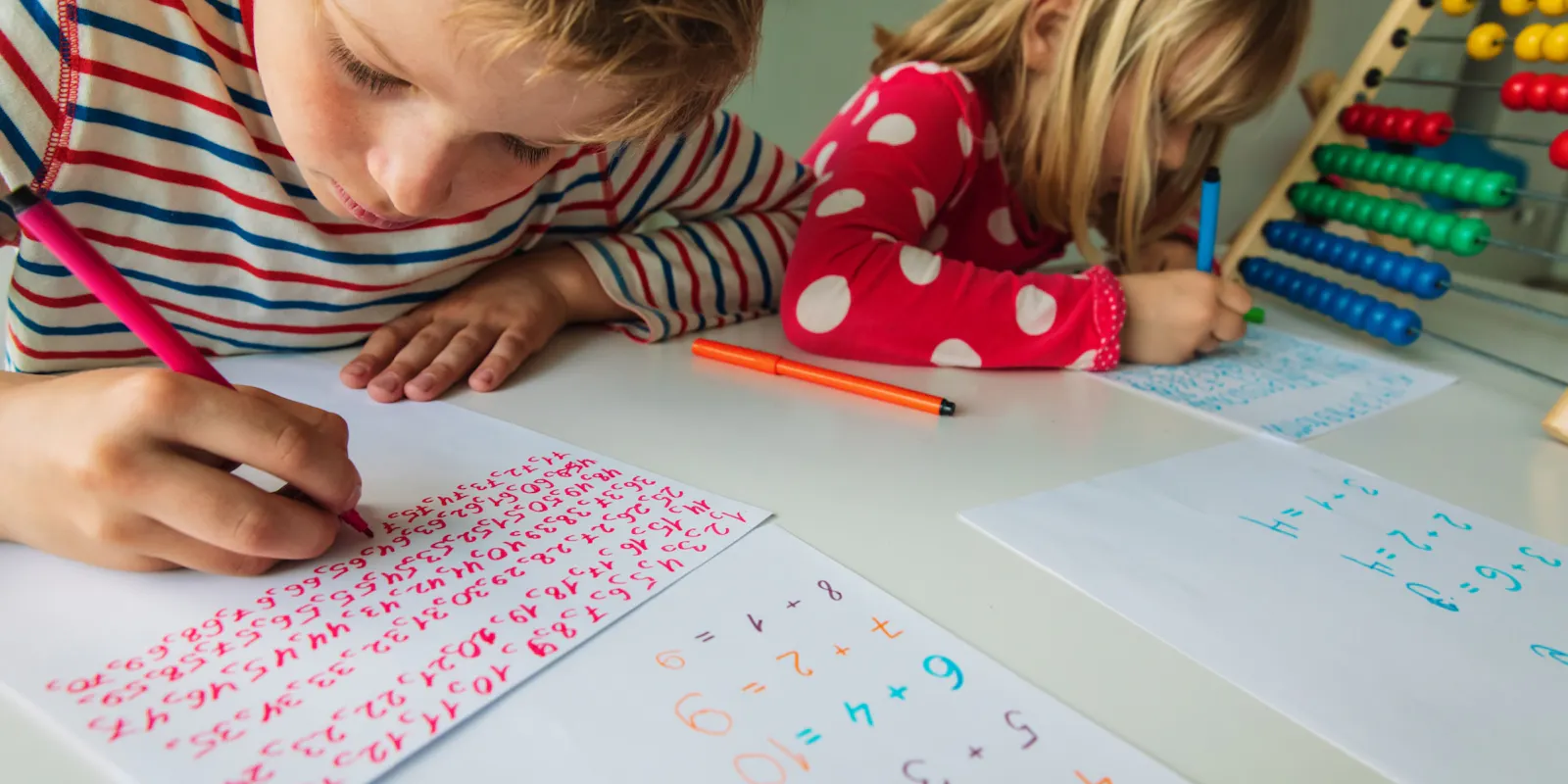
2. Fourth Graders: Boys Dominate Top Performance
Among fourth-grade students, the numbers are stark. In 85 percent of countries and territories, boys significantly outnumber girls among the top performers in math. That means that in the vast majority of education systems, the brightest young mathematicians are far more likely to be male. This gap existed before the pandemic, but it has grown wider since 2019. The data also shows that very few countries have achieved gender parity at the advanced level, and none—zero—have a gap that favors girls. This lopsided distribution at the top is a clear signal that systemic factors are holding back high-achieving girls.
3. Eighth Graders: Gender Gap Explodes Since 2019
If the fourth-grade numbers are troubling, the eighth-grade data is alarming. The rate at which boys outperform girls in mathematics increased exponentially compared to the 2019 TIMSS results. While eighth-grade girls had been steadily closing the gap for years, the pandemic seems to have erased those gains in one fell swoop. Slightly over half of all countries and territories now show an advanced math achievement gap that favors boys, while again none show a gap favoring girls. This wide and sudden swing suggests that the middle school years—a critical period for STEM identity—may be where girls are losing ground the fastest.
4. Pandemic's Role: School Closures Hit Girls Harder
The report draws a direct line between the severity of pandemic-related school closures and the widening gender gap. Countries that kept schools closed longer saw the greatest drops in girls' math performance. Eck notes that “those disruptions during the pandemic may have exacerbated existing disparities and have reduced learning opportunities for girls.” Although boys also experienced learning loss, the effect on girls appears to be more pronounced. The hypothesis is that when schools shut down, many girls—especially from disadvantaged backgrounds—faced additional home responsibilities, less access to technology, and fewer structured learning environments, all of which amplified pre-existing inequities.
5. The Confidence Factor: A Hypothesis for the Slide
Beyond access to schooling, researchers suspect that the pandemic eroded girls' confidence in mathematics. Eck explains: “The fact that girls were out of school and were not in the learning environment, it could have impacted their confidence.” Even before COVID-19, studies showed that girls often underestimate their math abilities compared to boys with similar test scores. A prolonged absence from the classroom—combined with heightened stress and reduced peer support—may have deepened this self-doubt. While this remains a hypothesis rather than a proven cause, it aligns with the data showing that the performance drop is not limited to any single region or socioeconomic group.

6. Rising Failure Rates: More Girls Struggling at Basic Math
The TIMSS data also tracks the proportion of students who fail to reach even basic proficiency in math—the lowest benchmark. Among fourth graders, the number of countries where a gender gap exists in this low-performing group is on the rise. In most of those countries, the proportion of girls failing to meet the basic standard is higher than that of boys. For eighth graders, the overall gender gap in underperformance has actually shrunk, but the proportion of countries where girls have a higher failure rate has spiked sharply. This suggests that while some countries are helping their weakest students overall, girls in particular are being left behind at the bottom.
7. Advanced Achievement: Virtually No Countries Favor Girls
Perhaps the most striking finding of the entire report is the complete absence of gender parity at the highest levels of achievement. Among both fourth and eighth graders, not a single country or territory shows an advanced math achievement gap that favors girls. In other words, boys are not just slightly ahead at the top—they dominate it. This is not about one subject or one test; it is a systematic pattern that appears across different cultures, curricula, and income levels. The consistency of this result points to deep-rooted factors—from societal stereotypes to classroom dynamics—that push girls out of the highest echelons of math performance.
8. A Global Echo: Similar Trends Seen in the US
This international trend is not happening in a vacuum. Last year, the United States saw a similar pattern in data from the Nation's Report Card (NAEP), which showed that girls' math scores had slipped relative to boys' since the pandemic. The TIMSS data confirms that the United States is part of a global wave. The findings also mirror earlier concerns raised by UNESCO and other organizations about the long-term impact of COVID-19 on girls' education more broadly. As Eck and his colleagues caution, these numbers are not just statistical blips—they represent real losses in opportunity and potential for millions of girls worldwide.
Conclusion: What This Means for the Future
The 2023 TIMSS results are a sobering reminder that progress in gender equity is fragile. The pandemic did not create the math gender gap, but it has clearly widened it. For educators, parents, and leaders, the message is urgent: targeted interventions—from out-of-school learning support to confidence-building programs—are needed now more than ever. Without deliberate action, the slip in girls' math gains could have lasting consequences for their academic trajectories, career opportunities, and the global economy. The data is in, and it demands a response.