5 Critical Facts About the Emerging PCB Shortage You Need to Know
The tech world has been battered by shortages over the past few years—first the COVID-era chip drought, then a memory crunch driven by AI. Just when you thought supply chains might stabilize, a new threat looms: a global PCB shortage. But this time, the root cause isn't factory fires or pandemics—it's escalating conflict in the Gulf of Arabia, with raids on Saudi petrochemical plants threatening the very resins that make printed circuit boards possible. For electronics enthusiasts, hackers, and engineers alike, understanding what's happening is the first step to preparing. Below are five essential insights into the unfolding PCB shortage, from its origins to its likely long-term impact.
1. The Root Cause: Geopolitical Tensions in the Gulf of Arabia
The immediate trigger for the looming PCB shortage is not a natural disaster or a factory breakdown—it's geopolitics. Recent raids on Saudi petrochemical facilities, part of the ongoing conflict in the Gulf of Arabia, have disrupted the production of polymer resin, a key raw material for PCB manufacturing. The Strait of Hormuz, a global oil chokepoint, sees tankers carrying crude oil, but Saudi Arabia and its neighbors also export refined petrochemical products, including the specialty resins used to laminate fiberglass sheets into PCB substrates. When the plants that produce these resins come under attack, the supply chain for PCBs—often made in China—takes a direct hit. This isn't an isolated event; it's a strategic vulnerability in a region where tensions remain high, and any escalation could further tighten supplies.
2. How the Resin Shortage Directly Affects PCB Production
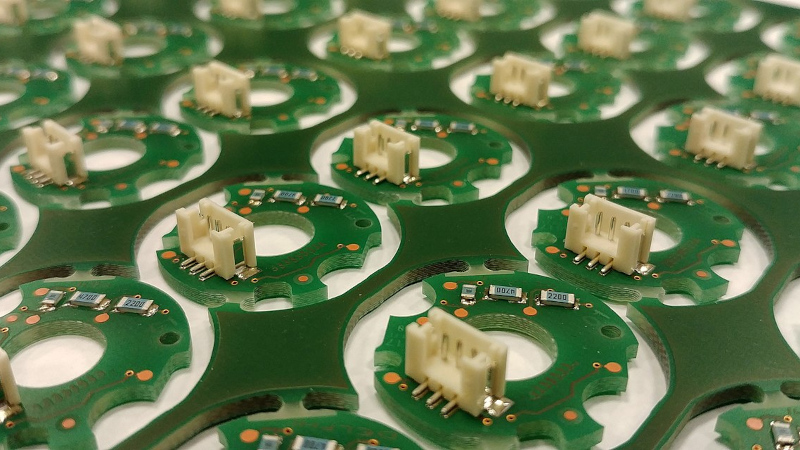
Most people think of PCBs as sheets of copper and fiberglass, but the binding material—the resin that holds everything together—is a specialty petrochemical product. The resin used in PCBs is a type of epoxy, often derived from bisphenol A (BPA) and epichlorohydrin, both of which come from petrochemical refineries. Saudi Arabia is a major global supplier of these precursors. When attacks hit the petrochemical plants, the supply of resin drops, forcing PCB manufacturers to scramble for alternatives. Substitute resins are often more expensive or require different processing conditions, leading to longer lead times and higher costs. This resin shortage is reminiscent of the IC encapsulation resin shortage of the 1990s, which sent shockwaves through the electronics industry before alternative sources emerged.
3. Copper Prices Are Adding to the Perfect Storm
If the resin shortage weren't enough, copper prices have also been climbing. Copper is the primary conductive metal in PCBs, and its cost directly affects board pricing. Global copper markets have been volatile due to increased demand from renewable energy and electric vehicles, combined with supply constraints from mining disruptions. The combination of rising resin and copper costs means that any PCB—from a simple two-layer board to a complex multilayer design—becomes significantly more expensive. According to a report from Reuters cited in our source, the cost of a PCB in China has already risen by 40%. For small-scale makers and hobbyists, this could be a major blow, as margins tighten and prototype runs become pricier.
4. The Price Surge: 40% Increase in China—and Likely More to Come
The numerical headline from the original report is stark: PCB prices in China have jumped 40% as a direct result of the resin shortage and copper price rise. But that number may only be the beginning. Shortages often trigger panic buying and hoarding, which artificially inflates demand and pushes prices even higher. Moreover, PCB fabrication houses may impose minimum order quantities or surcharges for expedited service, further squeezing buyers. For companies that rely on mass production of electronics, a 40% increase in PCB cost can erode profit margins or force retail price hikes. The effect ripples through everything from consumer gadgets to industrial controllers, making this more than just a niche concern for Hackaday readers.
5. Historical Lessons: Will the Industry Adapt—and How Fast?
This isn't the first time the electronics world has faced a material shortage, and history suggests that panic often amplifies the problem more than the actual deficit. During the IC encapsulation resin shortage of the 1990s, the industry eventually expanded production capacity at alternate chemical plants, bringing prices back down. Similarly, the COVID-era chip shortage spurred massive investment in semiconductor fabs. For PCBs, the adaptation may involve shifting resin sourcing to other petrochemical hubs (e.g., in Southeast Asia or the United States) or developing alternative resin chemistries that don't rely on Saudi supplies. However, such transitions take time—often 12 to 24 months. In the short term, expect continued volatility and possibly higher prices. For now, staying informed and planning projects with flexible budgets is wise.
As the Gulf conflict continues to simmer, the PCB shortage reminds us that even the most mundane components in our electronics are tied to global events. While the immediate pain might be a 40% price increase, the long-term outlook is more adaptable—if the industry can respond as it has in previous crises. Keep an eye on resin and copper markets, and consider stocking up on PCBs for critical projects now, before prices climb further. History suggests that shortages eventually ease, but the ride can be rough.