7 Ways Codex CLI Can Supercharge Your Python Development
Imagine describing a new feature in plain English and watching it materialize across your project files—no more frantic browser searches or clunky copy-pasting. That's the promise of Codex CLI, an AI-powered coding assistant that lives right inside your terminal. Unlike IDE plugins that only suggest single lines, Codex CLI understands your entire project structure, reads your files, and proposes multi-file changes based on natural language instructions. Whether you're adding a deletion feature to a contact book app or refactoring legacy code, this tool transforms how you interact with Python projects. In this listicle, we'll explore seven key ways Codex CLI enhances your workflow, from initial setup to iterative refinement, so you can ship features faster and with less friction.
1. Grasping Your Project Structure Instantly
Before writing a single line of code, Codex CLI scans your repository to understand how modules, classes, and functions are organized. It builds an internal model of your project's architecture—directory tree, import dependencies, and even docstring patterns. This means when you ask it to add a new feature, it knows exactly where to insert the necessary functions, update imports, and avoid breaking existing logic. For example, in a contact book app with separate files for models.py, views.py, and storage.py, Codex CLI will propose changes across all three files seamlessly. Unlike copying code from a web snippet that may not fit your structure, Codex CLI adapts each suggestion to your specific codebase, reducing integration headaches.
2. Communicating with Natural Language Instructions
Forget memorizing obscure command-line flags or API endpoints. Codex CLI lets you describe what you want in plain English—or any human language you prefer. Simply type something like "Add a delete button for each contact in the list view", and the assistant interprets your intent. It translates your natural language into precise, working Python code that aligns with your project's style and conventions. This lowers the barrier for non-expert developers and speeds up prototyping for veterans. Because the assistant reads your existing code, it respects naming conventions, error-handling patterns, and even your preferred library choices. The result is code that feels like you wrote it yourself, but in a fraction of the time.
3. Proposing Multi-File Changes with a Single Command
One of Codex CLI's standout features is its ability to orchestrate changes across multiple files simultaneously. In a typical Python project, adding a new feature often requires updating a route handler, a database query, a template, and a test file. Instead of toggling between tabs and manually keeping changes consistent, you can ask Codex CLI to implement the whole feature end-to-end. It will generate the needed code in each file, respecting cross-file references and import chains. For the contact book app, implementing a deletion feature might involve views.py (new route), storage.py (delete method), and contact_list.html (UI button). Codex CLI outputs all proposed changes at once, which you can review and apply selectively.
4. Installing and Configuring Codex CLI in Minutes
Getting started with Codex CLI is straightforward. First, ensure you have Python 3.8+ and a package manager like pip. Then run pip install codex-cli in your terminal. After installation, authenticate with your OpenAI API key. The tool integrates directly into your shell, so you can invoke it from any project directory. No need to switch to a separate web interface or IDE plugin. Configuration is minimal—a simple YAML file lets you set default model parameters, preferred output style, and file exclusions. The entire setup takes less than ten minutes. Once configured, you're ready to type your first natural language command. This rapid onboarding is perfect for developers who want to test the waters without committing to a heavy toolchain.
5. Implementing a Real Feature: Deletion in a Contact Book App
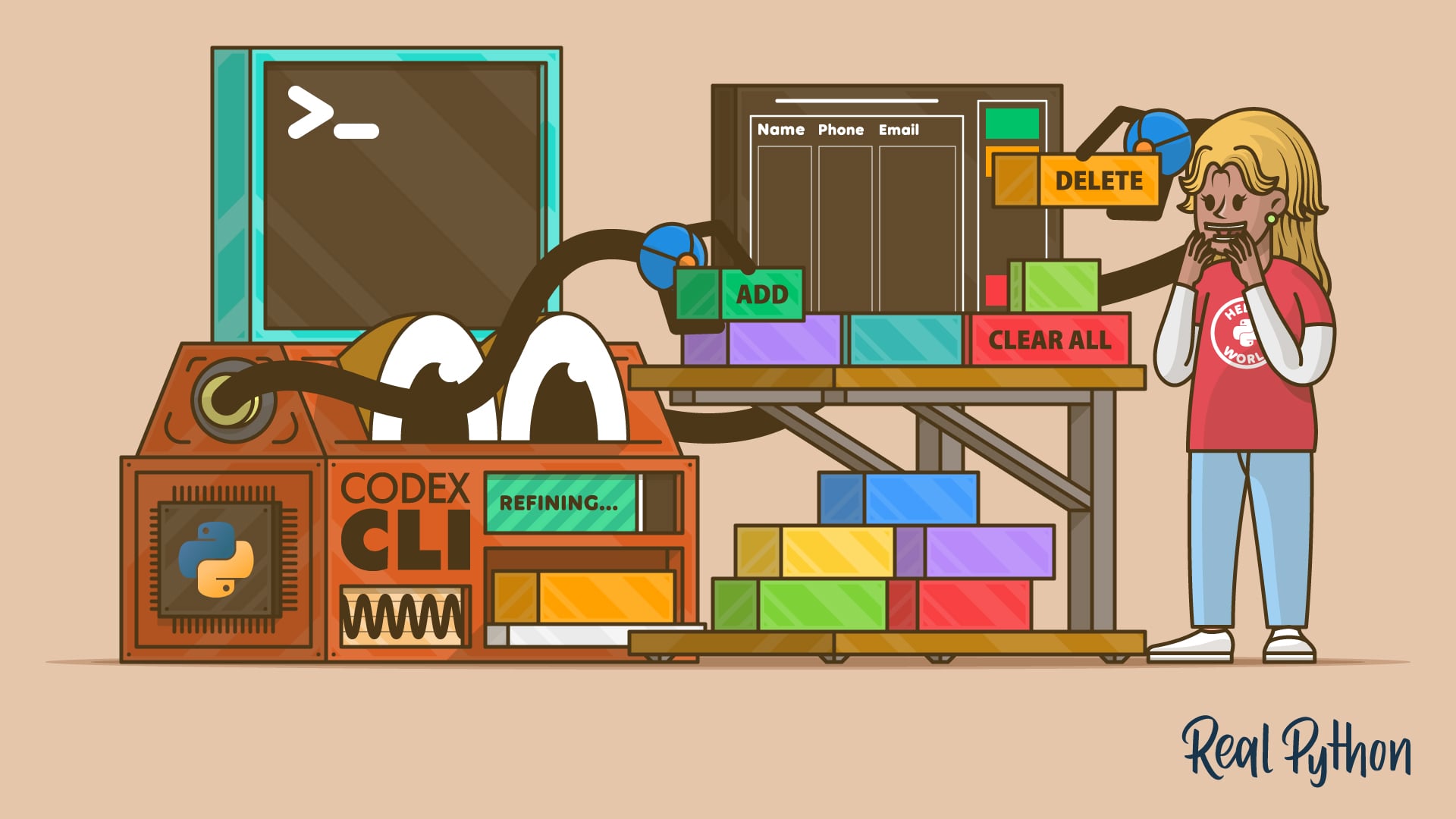
To see Codex CLI in action, let's walk through adding a deletion feature to a multi-file Python contact book application. You start by opening your terminal in the project root and typing, "Add a feature to delete a contact by ID. Use a confirmation dialog before deleting." Codex CLI analyzes your existing code—likely a Flask or FastAPI app—and proposes changes: a new DELETE route in the server file, a delete_contact() function in the storage module, and a modal or button in the HTML template. It also suggests adding error handling (e.g., 404 if contact not found) and updating any relevant tests. You can review each file change, accept or modify them, and apply with a single command. The entire feature, from idea to working code, can be implemented in under a minute.

6. Refining Through Iterative Prompting
Your first attempt may not be perfect—and that's okay. Codex CLI excels at iterative refinement. After reviewing the initial output, you can issue follow-up prompts like "Add a success flash message after deletion" or "Change the confirmation dialog to a Snackbar". The assistant adjusts only the relevant code without undoing previous work. This conversational flow mimics pair programming with an AI partner. For example, if the deletion feature currently shows a JavaScript confirm popup, you can ask for a Bootstrap modal instead. Codex CLI will update the template and any related JavaScript files, maintaining consistency. This iterative process helps you mold the feature exactly to your specification without starting from scratch.
7. Boosting Productivity by Staying in the Terminal
The biggest productivity gain from Codex CLI is the elimination of context switching. You no longer jump between your editor, a browser for code snippets, and a chat interface. Everything happens inside the terminal—your command center. This streamlines the development loop: think, type a natural language prompt, review diff, accept, test, repeat. For Python projects that already rely heavily on the terminal (virtual environments, linting, testing), Codex CLI fits naturally into your existing workflow. It also reduces errors from manual copy-pasting, as the assistant generates code tailored to your exact project. Whether you're a solo developer or part of a team, this tool can cut feature implementation time by half, letting you focus on architecture and logic instead of boilerplate.
Codex CLI isn't just another AI wrapper—it's a paradigm shift for Python developers who value speed and context awareness. By understanding your project structure, responding to natural language, and handling multi-file changes, it turns your terminal into a collaborative development environment. Start with a small feature like the deletion example, get comfortable with iterative prompting, and soon you'll wonder how you managed without it. Ready to give your Python projects a boost? Install Codex CLI today and see the difference for yourself.