Why Your Seasonal Allergies Are Getting Worse: The Climate Connection
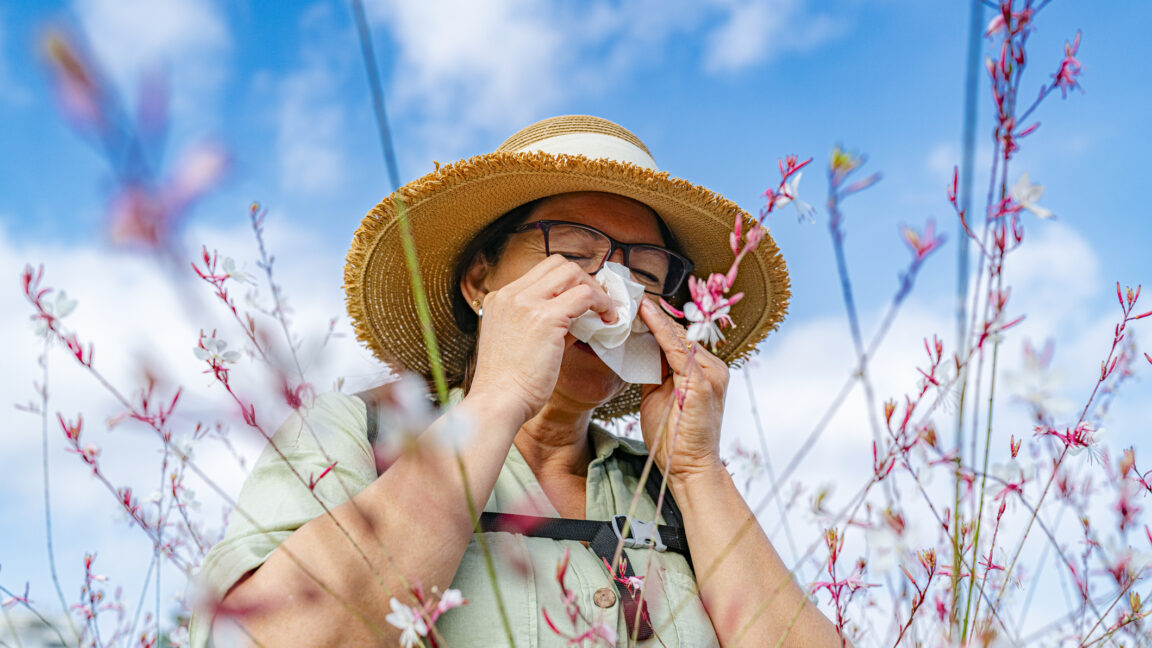
If you feel like your seasonal allergies have been getting worse each year, you're not alone—and it's not just a coincidence. Climate change is a major driver behind longer and more intense pollen seasons across the Northern Hemisphere. Dr. Neelima Tummala, an ear, nose, and throat specialist at NYU Langone Health, notes that many of her patients report their allergies are the worst they've ever experienced. And the numbers back them up: about one in four U.S. adults and one in five children suffer from seasonal allergies, leading to symptoms ranging from mild discomfort to serious medical emergencies. In this Q&A, we explore how a warming planet is making your sniffles worse and what you can do about it.
1. How does climate change actually make allergies worse?
Climate change contributes to longer and more severe pollen seasons in several ways. Rising temperatures cause plants to start producing pollen earlier in the spring and continue later into the fall. Additionally, higher levels of carbon dioxide in the atmosphere act as a fertilizer for many plants, boosting their growth and pollen output. This means that not only is the pollen season extended, but the concentration of pollen in the air is also higher. As a result, people who are already allergic to pollen experience more intense symptoms for a longer period of time.
2. Are allergy seasons really getting longer? What does the data show?
Yes, research clearly shows that pollen seasons are stretching out in many parts of the world, especially in the Northern Hemisphere. Studies have documented an advance in the start of spring pollen release by several days to weeks over the past few decades. Frost-free days are increasing, allowing pollen-producing plants to thrive for longer periods. In some regions, the fall allergy season—often driven by ragweed—is also extending as cooler temperatures arrive later. The combination of earlier springs and later autumns means that allergy sufferers now face a longer window of exposure.
3. Who is most affected by worsening seasonal allergies?
Seasonal allergies don't discriminate, but certain groups are more vulnerable. Approximately 25% of adults and 20% of children in the United States experience seasonal allergies, according to national health surveys. Children, older adults, and individuals with respiratory conditions like asthma are at higher risk for complications. Climate change may also be increasing the number of people who develop allergies in the first place, as prolonged exposure to high pollen levels can sensitize the immune system. Additionally, people living in urban areas often face the double whammy of high pollen counts combined with air pollution, which can amplify allergic reactions.
4. What are the health impacts of more severe pollen seasons?
The health effects of worsening pollen seasons range from mild to severe. Common symptoms include sneezing, runny or stuffy nose, itchy and watery eyes, and throat irritation. But for many, the impacts are more serious. Allergic rhinitis can disrupt sleep, reduce productivity, and affect quality of life. Asthma sufferers often find their condition exacerbated by high pollen levels, leading to increased use of medication, emergency room visits, and even hospitalizations. In rare cases, severe allergic reactions can become life-threatening. Dr. Tummala emphasizes that patients are reporting more intense symptoms each year, which aligns with environmental changes.
5. Can individuals take steps to protect themselves from climate-driven allergies?
Yes, while we can't stop climate change overnight, individuals can take practical steps to manage seasonal allergies. Monitoring daily pollen forecasts helps you plan outdoor activities when counts are lower—typically after rain or in the evening. Keeping windows closed during high-pollen periods and using air purifiers with HEPA filters indoors can reduce exposure. Wearing sunglasses and a hat when outside prevents pollen from settling on your face and hair. Showering and changing clothes after being outdoors removes clinging pollen. Over-the-counter antihistamines and nasal sprays can relieve symptoms, but it's best to consult a doctor for a personalized plan. On a broader level, advocating for climate action helps address the root cause.
6. How do doctors like Dr. Tummala view the link between climate and allergies?
Dr. Neelima Tummala, an ENT surgeon at NYU Langone Health, sees the connection firsthand. She reports that many of her patients tell her their allergies are the worst they've ever been—and the science supports their claims. According to her clinical observations and the latest research, the trend of worsening allergies is unlikely to reverse without meaningful action on climate change. She advises patients to be proactive about treatment and to understand that their suffering is not imagined or exaggerated. The medical community increasingly recognizes climate change as a public health issue that directly influences allergy seasons and related respiratory illnesses.