10 Things You Need to Know About Kevin Warsh's Path to Fed Chairmanship
The U.S. Senate has confirmed Kevin Warsh as a member of the Federal Reserve Board of Governors, setting the stage for his potential elevation to the chairmanship later this week. For the Bitcoin and crypto community, this is a watershed moment—Warsh has publicly embraced Bitcoin as an economic signal and holds ties to crypto startups. Below are ten key points to understand this development, from the political battle behind the vote to what it means for monetary policy and digital assets.
1. The Senate Vote Broke Along Party Lines
The confirmation passed with a 51-45 vote, with all Republicans voting in favor and all Democrats opposed except for Senator John Fetterman, who crossed the aisle to support Warsh. This near-party-line tally underscores the polarized environment in which Warsh's appointment occurred. The lone Democratic yes vote signaled that even some centrists see value in his credentials, though most Democrats cited concerns over his potential to bow to White House pressure on rate cuts.
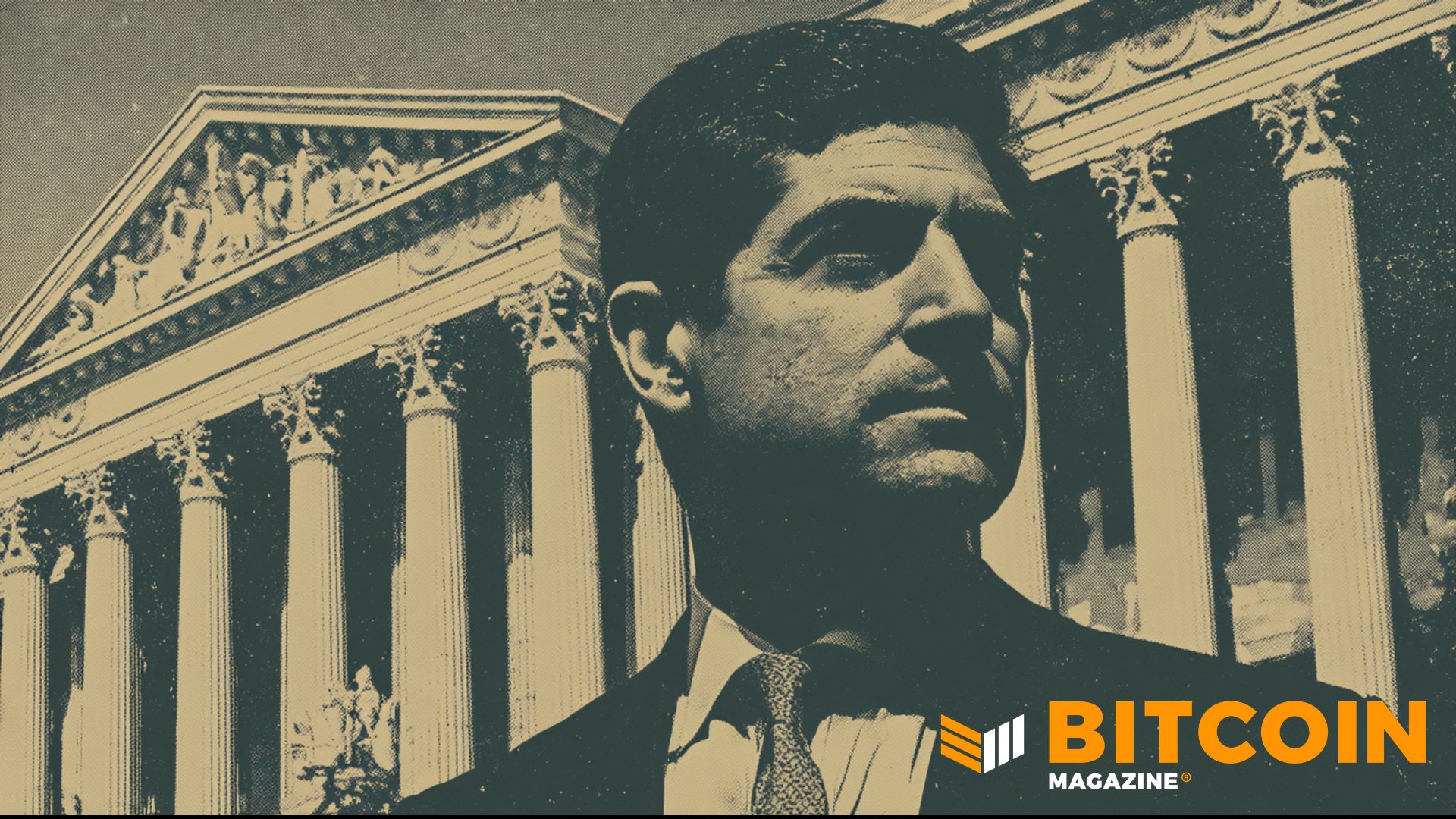
2. Confirmation to the Board Clears the Way for the Chairmanship
Warsh's appointment to the Board of Governors is the final procedural step before a vote on his nomination as Fed chair. Current Chair Jerome Powell's term is set to end this Friday, and the Senate could hold a confirmation vote for Warsh as chair as early as later this week. If approved, Warsh would immediately take the helm of the central bank, marking a swift transition that markets have been anticipating for months.
3. Warsh Has Publicly Supported Bitcoin as an Economic Barometer
Unlike most past Fed leaders, who viewed cryptocurrencies with suspicion or hostility, Warsh has described Bitcoin as “an important asset” and “a very good policeman for policy.” In a 2025 Hoover Institution discussion, he argued that Bitcoin's price can serve as a real-time gauge of confidence in the Fed's inflation management. “Bitcoin doesn't trouble me,” he said, framing the cryptocurrency not as a threat to the dollar but as a complementary signal of monetary credibility.
4. His Financial Disclosures Reveal a Stake in a Bitcoin Payments Startup
Warsh's Senate confirmation paperwork revealed he held equity in Flashnet, a startup building Lightning Network–style payment infrastructure for merchants and fintech firms. This investment marks one of the clearest direct links between a potential Fed chair and a company specifically driving Bitcoin adoption. The disclosure fueled speculation that Warsh may bring a more favorable regulatory posture toward Bitcoin payment networks.
5. He Maintains Ties to Other Crypto Firms
Beyond Flashnet, Warsh has advisory and investment connections to digital asset firms including Bitwise, a crypto index fund manager, and Basis, a stablecoin project. These relationships suggest he is deeply familiar with the inner workings of the blockchain and digital asset space—a rarity among central bankers. His network positions him as a potential bridge between Main Street finance and the crypto industry.
6. Yet Warsh Is an Inflation Hawk from His Earlier Fed Tenure
Warsh served as a Fed governor from 2006 to 2011, where he gained a reputation as an inflation hawk. He frequently warned about the risks of excessive monetary expansion and criticized the aggressive quantitative easing that followed the 2008 financial crisis. This track record creates a tension with his recent dovish signals—raising questions about how he would balance his hawkish instincts with pressure from the current administration.
7. Recent Comments Hint at a Potential Shift in Monetary Policy
In the months leading up to his confirmation, Warsh called for a “regime change” at the Fed and suggested he would be open to lowering interest rates. These statements have divided investors: some see them as a welcome pivot toward looser policy, while others worry about reigniting inflation. The ambiguity leaves markets guessing about the direction of rate policy in the near term.
8. The Transition Occurs During a Period of Renewed Inflation Pressure
The Fed transition is happening against a backdrop of rising geopolitical tensions and stubborn inflation. Recent data shows consumer prices edging higher, complicating any dovish turn. Warsh's appointment thus arrives at a delicate moment: he must navigate between the White House's desire for lower rates and the central bank's traditional price-stability mandate. How he strikes that balance will define his early legacy.
9. Bitcoin Traders Are Watching Closely for a Change in Tone
The crypto market has reacted cautiously but optimistically to Warsh's confirmation. Bitcoin traders believe that a chair who understands and respects digital assets could lead to more nuanced regulation and even positive signals from the Fed. However, many recognize that monetary policy decisions—especially if rates stay high—could outweigh any personal pro-crypto views. The net effect on Bitcoin price remains uncertain.
10. Warsh Represents a Sharp Departure from Past Fed Leaders
Previous Fed chairs, from Alan Greenspan to Jerome Powell, expressed skepticism about cryptocurrencies. Warsh's public embrace of Bitcoin as a macroeconomic signal marks a historic shift in tone at the top of the U.S. financial system. Whether his views translate into actual policy changes—such as allowing banks to hold crypto reserves or issuing clearer guidance on digital assets—remains to be seen, but the symbolic impact is already significant.
Conclusion: Kevin Warsh's confirmation to the Fed Board is more than a routine political appointment—it signals a potential reorientation of the central bank's attitude toward cryptocurrencies and monetary discipline. With a vote on the chairmanship imminent, the financial world is bracing for a new era. Whether Warsh's pro-Bitcoin stance translates into structural change or remains a rhetorical posture, one thing is certain: the intersection of digital assets and central banking has never been more visible. For investors, policymakers, and crypto enthusiasts alike, the next few days could reshape the landscape for years to come.