Elite Roman Woman’s Burial in Colchester: Lead Coffin, Jet Hairpins, and Exotic Resins
In a remarkable archaeological discovery in Colchester, the burial of a high-status Roman woman has been unearthed. Her lead coffin, jet hairpins, and traces of exotic resins offer a rare glimpse into the wealth, trade networks, and funerary practices of Roman Britain. Below, we explore key questions about this fascinating find.
- What was discovered in the Colchester burial?
- Why was a lead coffin used for this Roman woman?
- What are jet hairpins, and what do they signify?
- What exotic resins were found, and where did they come from?
- What does this burial reveal about the woman's status?
- How does this discovery fit into the history of Roman Colchester?
- What can we learn about Roman trade from the resins?
What was discovered in the Colchester burial?
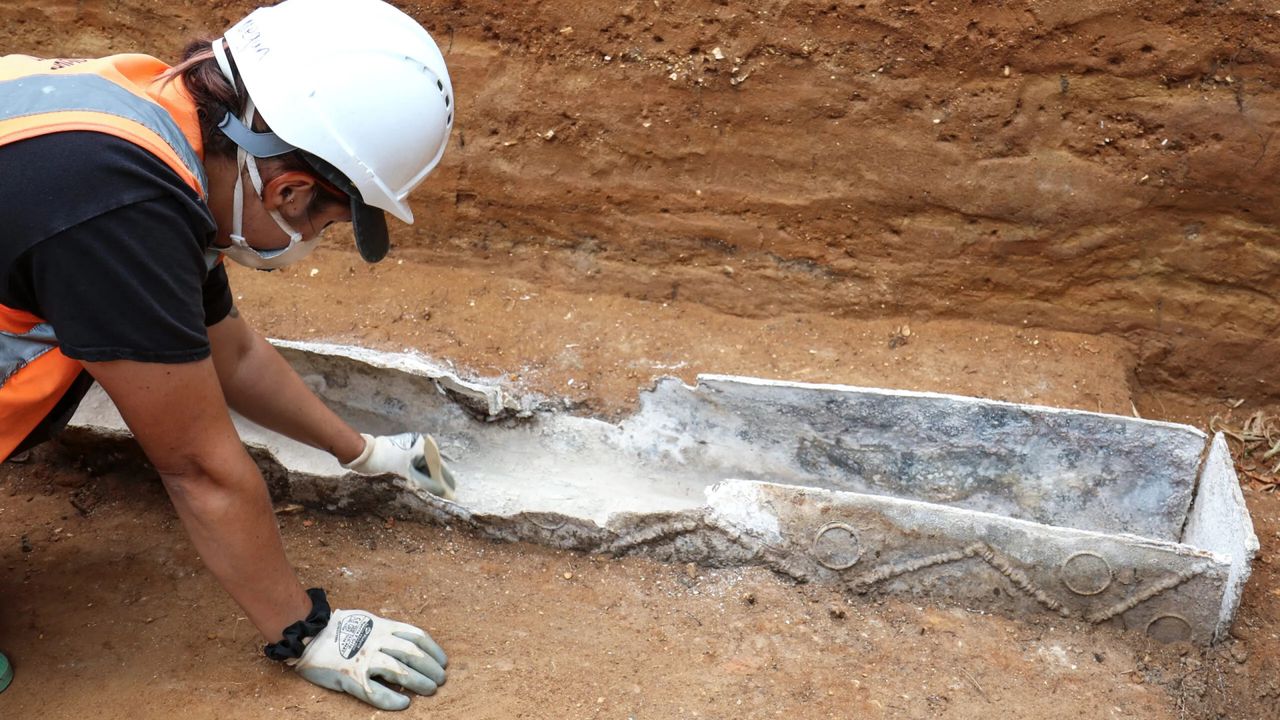
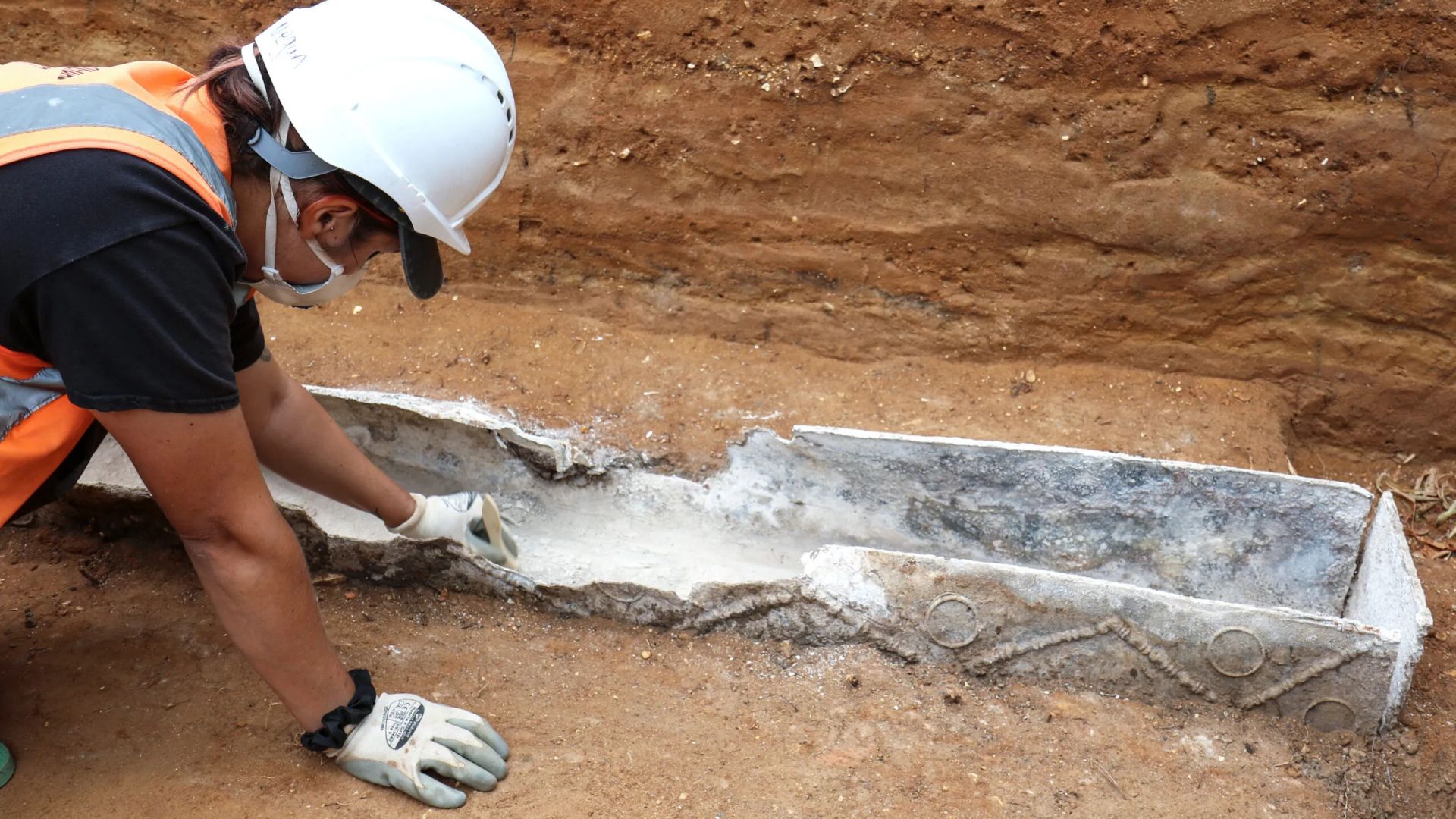
Archaeologists in Colchester, once the Roman town of Camulodunum, uncovered the remains of an elite woman interred in a lead coffin. The coffin itself is a significant find, as lead was expensive and reserved for high-status individuals. Inside, jet hairpins—ornate accessories carved from a rare, black fossilized wood—were placed near her head, suggesting careful grooming in the afterlife. Additionally, chemical analysis revealed residues of exotic resins, likely imported from Arabia or East Africa, used in the burial ritual. The combination of these items points to a woman of considerable wealth and social standing, possibly a member of the local Romanized elite.
Why was a lead coffin used for this Roman woman?
Lead coffins were a luxury in Roman Britain, reserved for the highest echelons of society. They were not only costly but also provided excellent preservation, as lead is resistant to decay and can help protect the body. The use of a lead coffin for this woman indicates that her family could afford the material and the skilled labor to shape it. It also reflects beliefs about the afterlife: lead was thought to offer a secure, sealed environment for the soul’s journey. This practice was more common in the later Roman period, when Christianity and mystery cults emphasized bodily resurrection. Her coffin’s presence in Colchester confirms the town’s prosperity and its inhabitants’ adherence to Roman funerary customs.
What are jet hairpins, and what do they signify?
Jet is a dense, black, fossilized wood that was highly prized in Roman Britain for its lustrous appearance and supposed protective properties. The hairpins found in the burial were intricately carved, likely used to style the woman’s hair in an elaborate Roman fashion. Owning jet items signaled status, as the material was sourced from northern Britain (e.g., Whitby) and required skilled craftsmanship. Jet was also associated with magic and healing, often worn as amulets. These hairpins suggest the woman not only followed Roman beauty practices but also may have believed in jet’s apotropaic powers to ward off evil in the afterlife.
What exotic resins were found, and where did they come from?
Chemical traces of exotic resins, such as frankincense and myrrh, were detected in the burial. These resins were imported from the Arabian Peninsula and the Horn of Africa, traveling thousands of miles along Roman trade routes. Frankincense and myrrh were used in religious ceremonies, embalming, and as luxury perfumes. Their presence in a woman’s grave in Colchester underscores the far-reaching connections of the Roman Empire. The resins were likely burned during the funeral or placed as offerings, symbolizing purification and the soul’s ascent. This importation highlights Colchester’s integration into Mediterranean trade networks.
What does this burial reveal about the woman's status?
The combination of a lead coffin, jet hairpins, and exotic resins leaves little doubt that the deceased was a woman of high status. She was likely a member of the local elite, possibly the wife or daughter of a wealthy Roman official or merchant. Her burial goods reflect access to rare materials and a deep embrace of Roman culture, including funerary rites with aromatic resins. The effort to import luxury items from far away suggests her family had both financial means and connections. Furthermore, the careful placement of hairpins indicates a desire to present her in an idealized, Romanized form for eternity.
How does this discovery fit into the history of Roman Colchester?
Colchester, known as Camulodunum, was the first capital of Roman Britain and a major urban center. Elite burials like this one reinforce its importance as a hub for wealth and cultural exchange. The town was home to a Roman colony for retired soldiers and a thriving economy. This woman’s grave adds to our understanding of social stratification in Roman Britain, showing that women could also occupy elite positions. Such discoveries also help archaeologists trace changing burial customs over time, as lead coffins became more common in the 3rd and 4th centuries AD, possibly influenced by Christian ideas.
What can we learn about Roman trade from the resins?
The exotic resins found in the burial are direct evidence of long-distance trade during the Roman period. Frankincense and myrrh were luxury goods controlled by Arab middlemen and shipped via the Red Sea and Mediterranean to ports like Ostia, then distributed across the empire. Their arrival in Colchester shows that even a provincial town could access items from the farthest reaches of the Roman world. This trade was facilitated by a well-organized network of roads, sea routes, and markets. The resins also hint at cultural connections: the use of Arabian incense in a British grave suggests the adoption of Roman religious and funerary practices that incorporated Eastern traditions.