Vocal Fry Demystified: A Step-by-Step Guide to Understanding and Identifying Creaky Voice
Overview
You have likely heard the term “vocal fry” in discussions about modern speech, often tied to the idea that young women are the primary users of this creaky, low-pitched vocal quality. Britney Spears’ iconic line “Hit me baby one more time” is frequently cited as a textbook example. However, a growing body of research challenges this gender stereotype. In fact, a 2023 study by Jeanne Brown, a graduate student at McGill University, presented at the Acoustical Society of America meeting, suggests that men actually produce vocal fry more frequently than women—we just perceive it as more prominent in female speakers.
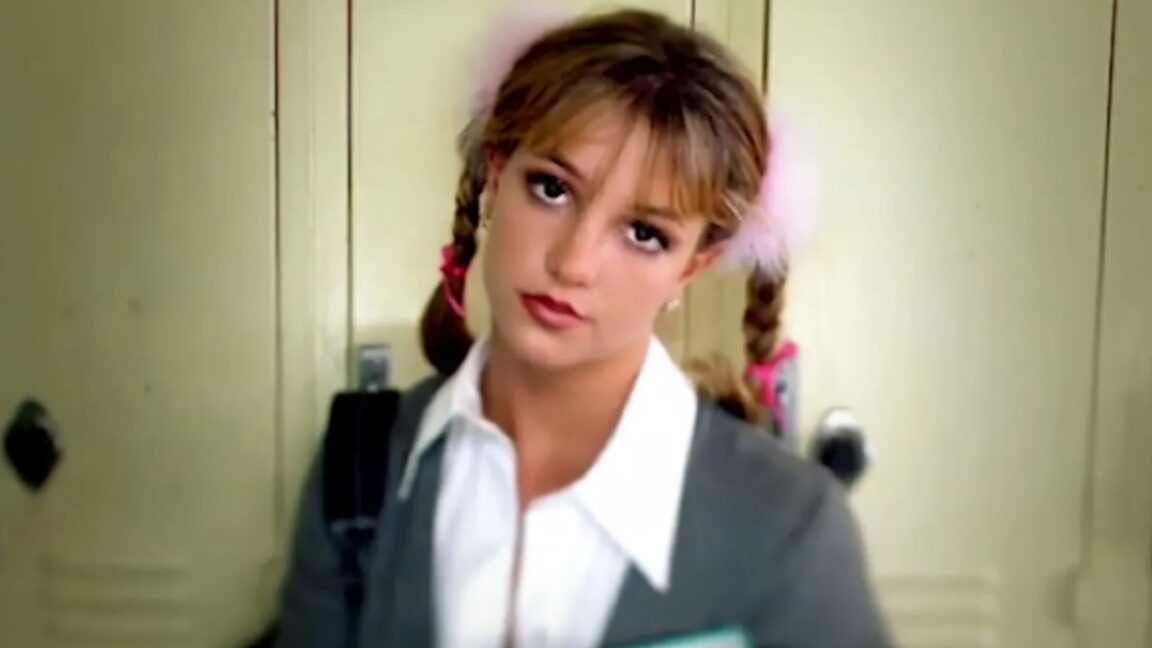
This guide will walk you through the science of vocal fry: what it is, how it works physiologically, why the stereotype persists, and how you can accurately identify it in everyday speech. By the end, you’ll have a clear, evidence-based understanding of creaky voice and its surprising gender dynamics.
Prerequisites
To get the most from this tutorial, you should be familiar with basic speech production concepts (e.g., vocal cords, pitch, voice registers). No specialized equipment is needed—just your own voice and a listening ear. The content is technical but designed for anyone curious about linguistics, speech pathology, or communication stereotypes.
Step-by-Step Instructions
Step 1: Understand the Physiology of Vocal Fry
Vocal fry is the lowest of the four human vocal registers (whistle, falsetto, modal, and fry). It occurs when the vocal cords become slack and close tightly at the back, allowing only small puffs of air to escape irregularly. This produces a distinctive crackling or rattling sound. Acoustically, vocal fry is characterized by a very low fundamental frequency—around 70 Hz, near the lower limit of human hearing (20 Hz). In contrast, the modal register (normal speaking voice) typically ranges from 100–250 Hz.
To feel vocal fry yourself, try saying the vowel “ah” and slowly lower your pitch until your voice begins to pop or creak. That is your vocal cords vibrating in fry mode. Men have thicker, longer vocal folds, which naturally produce lower pitches, but that does not automatically mean they use fry more often—frequency of use depends on speech habits.
Step 2: Identify Vocal Fry in Speech
Listen for a low, gravelly quality at the end of phrases or sentences. The sound can be described as “bubbly,” “popping,” or “rattling.” Famous examples include Britney Spears’ delivery in “…Baby One More Time,” but also many male actors and public figures. For instance, actors like Clint Eastwood or the late Alan Rickman use vocal fry as a stylistic choice to convey authority or calm. In everyday conversation, you might hear it from colleagues or friends regardless of gender.
Practical exercise: Record yourself reading a sentence like “I don’t know what to say.” Then deliberately lower your pitch at the end until you hear creak. Compare the two versions. This will train your ear to isolate the fry register.
Step 3: Analyze the Gender Stereotype
Why do we associate vocal fry with women? The answer lies in perceptual bias and social conditioning. Brown’s study indicates that both men and women produce vocal fry at similar rates, but listeners consistently rate female speech with fry as more noticeable and “annoying.” This may be because fry in men’s voices is often masked by their naturally lower pitch, while in women it creates a larger contrast with their higher modal pitch, making it stand out. Additionally, media stereotypes have amplified the connection: female celebrities and “valley girl” tropes are frequently cited, while male fry is normalized (think of drag queens or radio DJs).
Step 4: Apply the Research Findings
Jeanne Brown’s experiment involved collecting spontaneous speech samples from 100 participants (50 men, 50 women) and analyzing the frequency and duration of vocal fry using acoustic software. Her results showed that men used vocal fry in about 45% of utterances, compared to 40% for women—a statistically significant difference. However, when the same samples were played to listeners, 75% believed the female speakers were using fry more. This disconnect reveals a powerful cognitive bias: we perceive fry where we expect it.
To test this yourself, find speech clips online (e.g., from interviews) and try to count instances of fry without knowing the speaker’s gender. Then check the actual acoustic data if available. You may be surprised by your own bias.
Step 5: Avoid Common Misconceptions
Several myths surround vocal fry. Myth: Vocal fry is a sign of vocal damage. Fact: Occasional use is normal and harmless; chronic misuse can cause strain, but that is rare. Myth: It is a modern affectation. Fact: Vocal fry appears in many languages and has been documented for decades. Myth: Only women use it. Fact: As Brown’s research shows, men use it slightly more often. Understanding these facts helps reduce judgment in communication.
Common Mistakes
- Confusing vocal fry with other vocal qualities. Fry is not the same as a low-pitched modal voice; it has a distinct creaky texture. Avoid mistaking a deep voice for fry.
- Assuming gender based on perceptual impression. As the research demonstrates, our ears can be misled by stereotypes. Always rely on acoustic analysis (e.g., spectrograms) for confirmation.
- Overlooking cultural context. Some languages (e.g., Danish) use vocal fry phonemically, while in English it is mostly paralinguistic. Be cautious when generalizing across cultures.
- Forgetting the importance of register contrast. Fry is only one part of a speaker’s range; evaluating it in isolation can lead to misinterpretation.
Summary
Vocal fry, or creaky voice, is a low-frequency vocal register caused by slack vocal cords. Despite the stereotype linking it to young women, research by Jeanne Brown shows that men actually use it more often—though listeners perceive it as more prominent in female speech due to cognitive bias. By understanding the physiology, identifying the sound accurately, and applying research findings, you can overcome common misconceptions and appreciate vocal fry as a neutral speech feature. This guide has equipped you with the tools to recognize and analyze creaky voice with evidence-based clarity.