The GTX Titan: Nvidia's Most Influential GPU 13 Years Later
When discussing the greatest graphics cards of all time, names like the GeForce 3, Radeon HD 5870, and GTX 1080 Ti often dominate conversations. However, one GPU that deserves far more recognition is Nvidia's GTX Titan. Launched 13 years ago, the Titan wasn't just another high-end card; it redefined what a consumer GPU could be, bridging gaming and professional workloads. In this Q&A, we explore why the GTX Titan remains Nvidia's most significant release to date.
What Was the GTX Titan and When Was It Released?
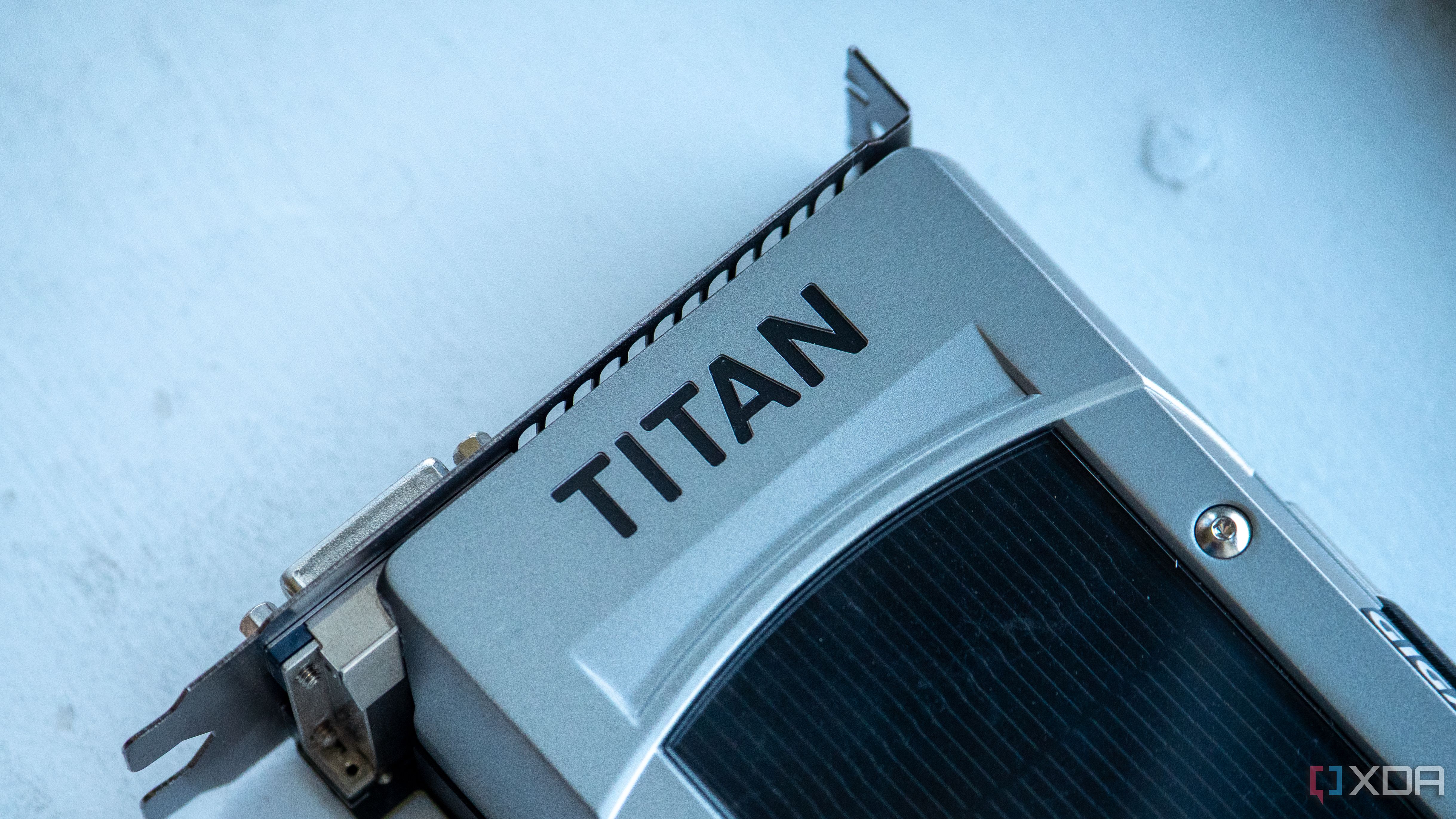
The GTX Titan was Nvidia's flagship graphics card launched in February 2013 as part of the Kepler architecture (GK110). It debuted at an unprecedented price of $1,000, a stark contrast to typical gaming cards that cost around $500. The Titan was designed to serve both enthusiasts and professionals, featuring a fully unlocked GK110 chip with 2,688 CUDA cores, 6GB of GDDR5 memory on a 384-bit bus, and double-precision compute capabilities that outpaced gaming-focused cards. Unlike traditional GeForce offerings, the Titan did not cut features like ECC memory support (though consumer drivers limited it). It became the first in a series of Titan models, including the Titan Black, Titan X, Titan XP, and Titan RTX, all upholding the legacy of extreme performance and versatility. The 2013 Titan set the stage for future high-end GPUs by proving that a single card could excel at gaming, deep learning, and content creation without sacrificing power efficiency or thermal performance.
Why Is the GTX Titan Considered the Most Important Nvidia GPU Ever?
The importance of the GTX Titan extends beyond its raw specs. It was the card that established Nvidia's strategy of offering a premium product that blurred the line between consumer and professional hardware. Prior to the Titan, Nvidia segmented its lineup clearly: GeForce for gaming, Quadro for workstation use. The Titan unified these worlds, giving enthusiasts access to double-precision compute power (useful for scientific simulation) and massive VRAM, while gamers got top-tier frame rates at 1440p and 4K. This GPU also introduced the concept of a “halo product” that created immense brand prestige, making Nvidia synonymous with cutting-edge innovation. Moreover, its launch gave rise to the Titan sub-brand, which directly influenced the development of the later 1080 Ti, 2080 Ti, and RTX 4090 by setting a benchmark for what a flagship card could cost and deliver. In short, the Titan transformed Nvidia from a graphics company into a platform company, paving the way for AI and data center dominance.
How Did the GTX Titan Compare to Contemporaries Like the HD 5870?
The Radeon HD 5870 (launched in 2009) was celebrated for its efficiency and direct rival to Nvidia's GTX 480. However, the GTX Titan was a generational leap. While the HD 5870 used the Cypress architecture with 1,600 stream processors and 1GB of memory, the Titan offered 2,688 CUDA cores, 6GB of VRAM, and support for GPU Boost 2.0. In benchmarks, the Titan was approximately 50-60% faster in games like Crysis 3 and Tomb Raider at 2560x1600 resolution. Where the Titan truly shined was in compute workloads: its double-precision performance was around 1.3 TFLOPS, compared to the HD 5870's 272 GFLOPS. The Titan also supported newer technologies like Nvidia G-Sync and PhysX, which the Radeon lacked. The pricing gap was enormous ($500 vs $1,000), but the Titan's longevity and versatility justified the premium. It remained a viable card for years, while the HD 5870 quickly became obsolete. This difference in value proposition explains why the Titan, not the HD 5870, is remembered as groundbreaking.
What Impact Did the GTX Titan Have on Modern GPUs Like the GTX 1080 Ti?
The GTX Titan directly inspired the GTX 1080 Ti (2017) and subsequent flagship cards. The 1080 Ti adopted the Titan's approach of offering a fully unlocked GP102 chip with 3,584 CUDA cores, 11GB of VRAM, and a $699 price point that seemed modest compared to the Titan X (which cost $1,200). Yet the Titan lineage taught Nvidia that a premium tier with high margins could coexist with a “value flagship.” The Titan also established features like very large memory pools (6GB then, later 12GB or more) that became essential for 4K gaming and VR. Without the Titan, Nvidia might have never pushed memory sizes beyond 4GB on consumer cards until much later. Additionally, the Titan's focus on compute capability led to the inclusion of Tensor Cores in Titan RTX and gaming cards, accelerating AI and ray tracing. In essence, the Titan showed that a single, powerful card could define a generation, a strategy Nvidia has used with the RTX 4090. The 1080 Ti, while beloved, is simply a refined version of the Titan philosophy.
What Made the GTX Titan Special for Professional and Enthusiast Use?
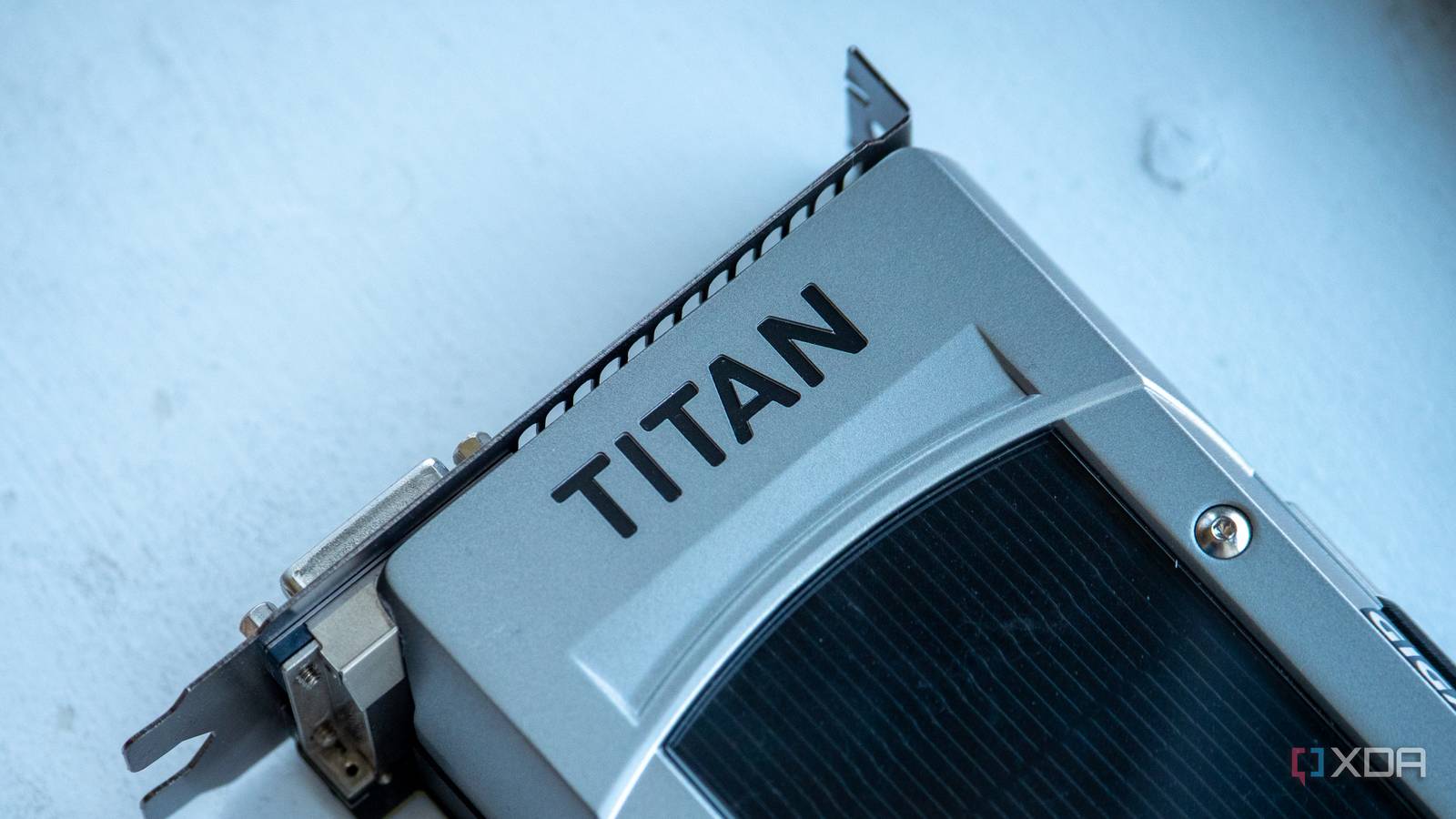
The GTX Titan was unique because it offered professional-grade features at a fraction of Quadro costs. It supported double-precision (FP64) compute at 1/3 of the single-precision speed (compared to normal cards disabled or very low). This made it ideal for researchers, 3D artists, and data scientists who needed high VRAM and compute power but couldn't afford a Quadro. The Titan also received Nvidia's Studio Drivers for stable performance in applications like Maya, SolidWorks, and DaVinci Resolve. Enthusiasts appreciated the ability to overclock aggressively due to the robust voltage controller and cooling solution. The card's 6GB VRAM, which was enormous in 2013, allowed rendering of complex scenes without memory errors. Moreover, the Titan's build quality was exceptional: a full metal shroud, backplate, and dual-fan cooler that kept temperatures under control while staying quiet. This combination of raw power, reliability, and flexibility made the Titan a go-to for multi-monitor setups, 4K gaming, and GPU-accelerated computing long before those became mainstream.
What Is the Legacy of the GTX Titan in 2025?
Fast forward to 2025, and the GTX Titan's influence is undeniable. It pioneered the concept of a premium GPU priced over $1,000, which is now standard for flagships like the RTX 5090. The Titan series itself continued through models like the Titan V (Volta) and Titan RTX, each pushing boundaries in AI, HPC, and gaming. More importantly, the Titan showed that a single architecture could serve gaming, content creation, and scientific computing simultaneously, a philosophy that drove the development of Nvidia's Ampere and Lovelace architectures with dedicated cores for RT and Tensor operations. The card also fueled the rise of GPU computing in the early deep learning boom, as many researchers used affordable Titans instead of expensive Tesla cards. Today, the original Titan is rare and collectible, but its spirit lives on in every high-end Nvidia GPU. It remains a testament to how one product can change an entire industry's trajectory. If you're building a retro rig or a period-correct workstation, the Titan is still a conversation starter and a worthy collector's item.
Should You Buy a GTX Titan in 2025?
For modern gaming, a GTX Titan is not a practical choice. It lacks support for DirectX 12 Ultimate, ray tracing, and modern features like DLSS and PCIe 4.0. Driver support ended years ago, and performance is roughly comparable to a GTX 1060 6GB or RX 580 in current titles. However, as a collector's item or for specific legacy computational tasks, it holds value. If you find one for under $100, it could be fun for a retro build or for learning about GPU architecture. For professionals needing FP64 compute, modern alternatives like the RTX A-series or used Tesla cards offer far better performance per watt. The Titan's legacy is not as a daily driver but as a milestone in GPU evolution. Enthusiasts who appreciate history may want it on a shelf, but anyone expecting high-end 2025 performance should look elsewhere. In summary, its importance is historical, not practical, for current use.