10 Critical Insights into Spirit Airlines' Imminent Shutdown and What It Means for Travelers
Spirit Airlines is teetering on the edge of collapse. With a $500 million bailout from the Trump administration falling through, the budget carrier is reportedly preparing to shut down. Investors, stock swings, and operational cuts paint a grim picture. Here are 10 key things you need to know about this unfolding crisis and how it might affect your travel plans.
1. The Bailout Breakdown: Why $500 Million Failed
Spirit Airlines had been negotiating with the Trump administration for weeks to secure a $500 million bailout. However, investors balked at the prospect of the federal government becoming a majority owner. The Wall Street Journal reported that talks ultimately collapsed, despite the airline's urgent need for cash. Without this lifeline, Spirit faces a swift shutdown, leaving passengers and employees uncertain.
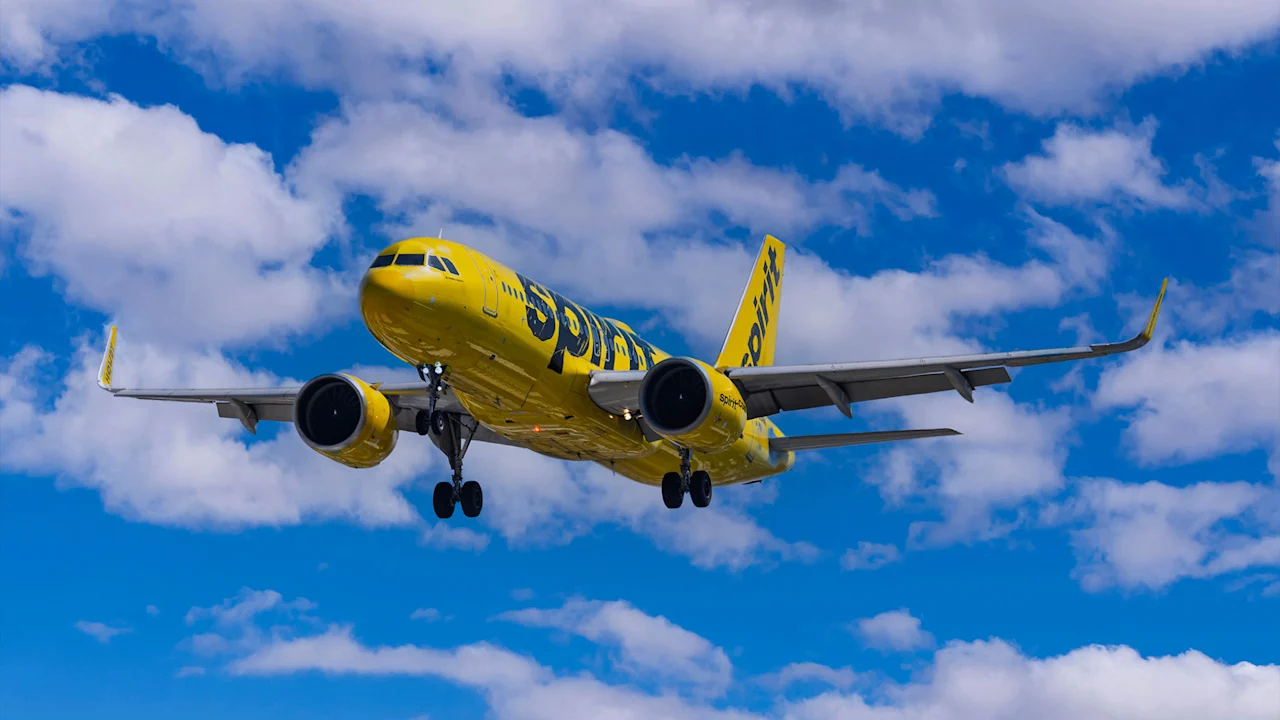
2. Stock Market Rollercoaster: From $1.30 to $0.40 and Back
Shares of Spirit Aviation Holdings nosedived on news of the failed bailout, dropping from $1.30 to $0.40 in a single morning. Yet by mid-afternoon, they had rebounded to $1.30. Over five days, the stock still lost nearly 35% of its value. This volatility reflects the market's extreme uncertainty about the airline's future. Investors are watching closely—see item 8 for why they're reluctant.
3. Government Involvement: Trump's Conditional Offer
President Trump stated on Friday that the government would bail out Spirit “if we could do it,” but only if it’s “a good deal.” He mentioned a final proposal and said he’d like to “save the jobs.” Trump didn’t close the door completely, hinting at an announcement within days. However, no concrete agreement emerged, leaving the airline in limbo.
4. Operational Slowdown: Cuts in Departures and Destinations
Before any formal shutdown, Spirit already began slowing down. Last year, the carrier significantly cut departures compared to the previous year and discontinued service to several destinations. This strategic contraction suggests preparation for a worst-case scenario. For travelers, this means fewer routes and higher uncertainty when booking flights.
5. Bankruptcy History: Two Filings Since 2024
Spirit Airlines declared bankruptcy twice since 2024, highlighting its long-term financial struggles. The budget carrier has been operating on thin margins even in good times. Each filing attempted to restructure debt, but rising fuel prices and falling demand have made recovery nearly impossible. This isn't a sudden crisis—it’s a slow motion collapse.
6. Fuel Price Squeeze: The Final Straw for Budget Airlines
The recent spike in fuel prices is the straw that’s breaking the camel’s back. Airlines across the spectrum are scrambling to handle increased costs, but Spirit’s price-sensitive market makes it especially vulnerable. Higher fuel costs directly erode the thin profit margins that budget carriers rely on. Without bailout funds, there’s little room to maneuver.
7. Cash Reserves Dwindle: The Race Against Time
A Spirit attorney told a bankruptcy court in April that the company was going to run out of money. Negotiations were urgent as cash reserves shrank. The airline has not formalized liquidation plans, but the clock is ticking. Passengers with upcoming bookings should check their itineraries now—see item 9 for advice.
8. Investor Reluctance: Fear of Government Ownership
Investors pulled back from the bailout deal largely because it would have made the federal government a majority owner. Many see government control as a threat to free market dynamics. This ideological standoff scuttled a potential rescue, leaving Spirit without private or public funding. Now, the company faces an uncertain future.
9. What Passengers Should Do: Protecting Your Booking
If you have a Spirit flight booked, consider contacting your credit card company about travel protection or booking alternative flights early. Spirit is still operating “as usual” per their spokesperson, but a collapse could happen overnight. Check for cancellation policies and travel insurance to minimize losses.
10. The Future of Ultra-Low-Cost Carriers
Spirit’s potential demise raises questions about the sustainability of ultra-low-cost carriers. With rising fuel prices and market volatility, budget airlines may need to adapt or consolidate. Could this be the end of the model Ultra-low fares? Travelers may face higher prices as competition shrinks.
Spirit Airlines’ situation remains fluid. While the company hasn’t shut down, all signs point toward a bleak outcome. For travelers, staying informed and flexible is key. Book with caution, and watch for official announcements in the coming days—your next trip might depend on it.