How to Safeguard Against Pathogenic Amoebas: A Community Action Guide
Introduction
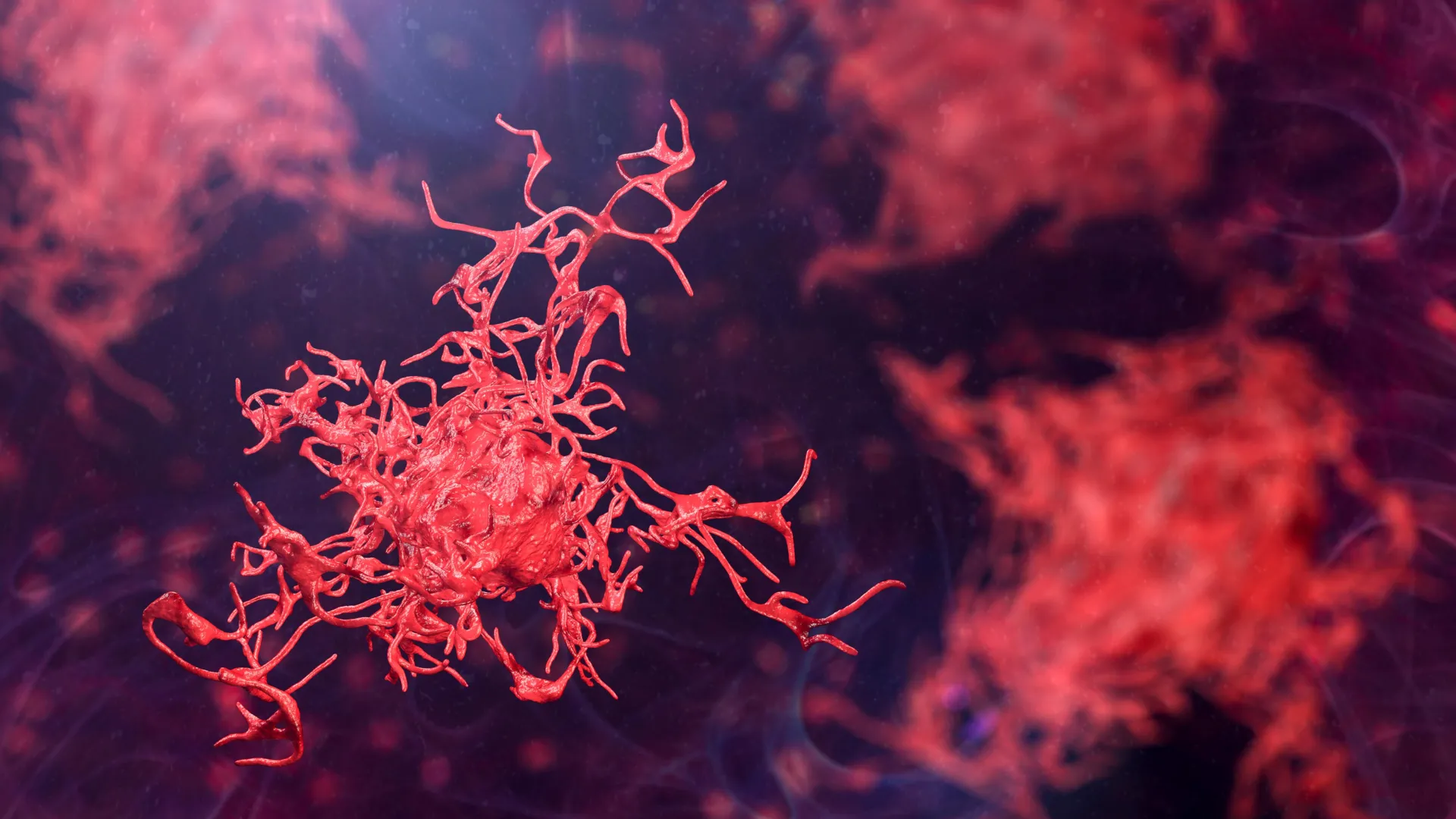
As global temperatures rise and aging water infrastructure crumbles, free-living amoebae—once considered harmless environmental organisms—are increasingly linked to severe human infections. While the vast majority of amoebas pose no threat, a handful of species, such as Naegleria fowleri and Acanthamoeba, can cause devastating brain or eye diseases. Even more concerning, these amoebas can shelter and protect other dangerous microbes, making them a silent amplifier of infectious diseases. Scientists warn that current surveillance and water treatment methods are falling short. This guide provides a step-by-step plan for individuals and communities to reduce the risk of exposure and advocate for stronger preventive measures.
What You Need
- Basic knowledge of local water sources and recreational water activities.
- Contact information for local water authorities and public health departments.
- Simple water testing kits (optional, for well or small system owners).
- Approved disinfectants (chlorine, chloramine, or UV systems).
- Trained personnel for large-scale water treatment upgrades.
Step-by-Step Guide
Step 1: Understand the Threat and Identify Risk Factors
Begin by educating yourself and your community about the specific amoebas that cause concern. Naegleria fowleri, for instance, thrives in warm freshwater (lakes, rivers, hot springs) and can enter the brain through the nose, causing primary amebic meningoencephalitis. Acanthamoeba and Balamuthia mandrillaris are more opportunistic, often affecting contact lens users or immunocompromised individuals. Check if your region has reported cases—hotter climates and aging plumbing systems are especially vulnerable. Map out local water bodies, public pools, and municipal water supplies that could become reservoirs.
Step 2: Assess and Upgrade Personal Water Hygiene
For individual households, focus on high-risk water uses:
- Never use untreated tap water for nasal rinsing, neti pots, or ritual nasal cleansing. Use sterile, distilled, or boiled-then-cooled water instead.
- Secure swimming safety: Avoid jumping or diving into warm freshwater where the bottom is disturbed. Use nose clips or keep your head above water in risky areas.
- Contact lens care: Always use commercial sterile solution; never rinse lenses with tap water.
Step 3: Evaluate and Improve Community Water Treatment Systems
Amoebas are notoriously resistant to standard chlorine levels. Work with local water authorities to:
- Test residual disinfectant levels regularly—especially in dead-end pipes, storage tanks, and warm taps.
- Upgrade to chloramine disinfection (more persistent) or UV treatment for sensitive facilities like hospitals.
- Flush low-usage pipes periodically to prevent biofilm formation, which protects amoebas.
Step 4: Strengthen Surveillance and Reporting
Early detection is critical to contain outbreaks. Urge public health agencies to:
- Include Naegleria and Acanthamoeba in routine water testing, not just bacterial indicators.
- Create a rapid notification system when amoebas are detected in recreational waters or public supplies.
- Train clinicians to recognize rare amoebic infections and report them immediately.
Step 5: Advocate for Policy & Infrastructure Changes
Without systemic change, individual efforts will only go so far. Join or form a community group to:
- Petition for regular risk maps showing amoeba hotspots in your area.
- Lobby for funding to replace old water pipes and install modern disinfection.
- Support research into heat-tolerant amoeba control methods.
Tips for Success
- Stay informed: Amoeba distribution is shifting due to climate change. Follow updates from the CDC or WHO.
- Test after weather extremes: Heavy rains or droughts can disrupt water systems and boost amoeba growth.
- Don’t rely on chlorine alone: Many amoebas survive standard levels; combination treatments are more effective.
- Start small: A single neighborhood can pilot better flushing protocols and inspire wider adoption.
- Remember the bigger picture: Protecting against amoebas also reduces risk from other waterborne pathogens they may carry.